
Best High Risk Pregnancy Treatment Doctor in Chembur,Mumbai
- Home
- / Best High Risk Pregnancy Treatment Doctor in Chembur, Mumbai
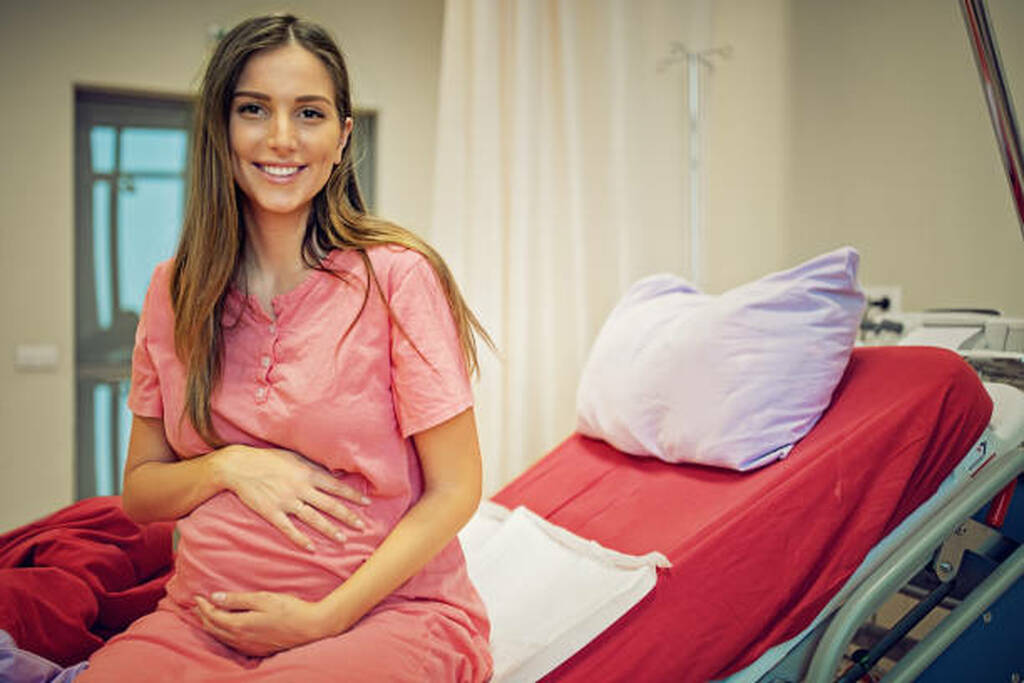
Best High Risk Pregnancy Treatment Doctor In Chembur
A high-risk pregnancy is characterized by increasing risks of complications that can endanger the mother’s health and well -being, developing fetus, or both. Such pregnancies often demand special care and close monitoring to detect and manage possible issues. Women with high-risk pregnancies may have pre-existing health conditions (such as diabetes or high blood pressure), history of pregnancy-related complications, or advanced maternal age or several multiples. Our hospital provides personal care and emotional support in Bangalore as well as high-risk pregnancy treatment. Treatment processes include advanced delivery tests and screening options, which to detect any possible complications and manage accordingly. Dr. Vinita Dutta best high risk pregnancy Treatment in Chembur, Mumbai
With highly experienced obstetrics and gynecologists, Savla Hospital serves as the most high-risk pregnancy clinic in Chembur, Mumbai in the management of complex pregnancy conditions and in providing widespread care to both mother and developing fetus. The purpose of special delivery prenatal care is to reduce risks, ensure proper fetal development and support maternal health. This includes frequent check-ups, screening and intervention to suit each high-risk pregnancy specific requirements to customize the results for both mother and child. The best clinic for high -risk pregnancy in Bangalore in Nandini Women’s Clinic, we ensure that every woman with high -risk pregnancy feels strong and informed during her pregnancy trip.
What are the Causes of High-Risk Pregnancy?
A variety of factors can turn a pregnancy into a high-risk one, taking into account the mother’s and the
fetus’s health as well as the issues that arise during the pregnancy. The following factors are considered as risks for a pregnancy to be high.
- Pre-existing health conditions
- Pregnancy-related health conditions
- Lifestyle factors (including smoking, drug addiction, alcohol abuse, and exposure to certain toxins)
- Age (being over 35 or under 17 when pregnant)
If you have any of the above problems then you might be the risk of high-risk pregnancy. you should be in contact with the best gynecologist Dr. Vinita Dutta.
Treatments for high-risk pregnancy
The treatments that are precisely provided at Nandini Women’s Clinic for high-risk pregnancy are as follows,
Cervical cerclage
Antenatal corticosteroids
Fetal monitoring
Caesarean section
Early delivery
Placenta removal
Fetal monitoring
With expert guidance and the right treatment under Dr. Vinita Dutta, an experienced Obstetrician and Gynecologist, you can dispel your fears. She specializes in high-risk pregnancies and practices at Savla Hospital, Chembur. Close monitoring by a dedicated medical team guarantees the early detection of any complications. Custom-made treatment plans are designed to protect the health of both mother and baby. Schedule your appointment now for the best high risk pregnancy treatment in Chembur,
Mumbai.
At what age is a pregnancy considered high-risk?
They are more likely to experience a variety of complications than their younger counterparts. These may include early pregnancy loss and pregnancy-related health conditions like gestational diabetes. On the other hand, teenagers under 17 are also considered to have high-risk pregnancies because they may be :
- Less likely to receive comprehensive prenatal care.
- More likely to experience preterm labor or birth.
- Unaware of the fact that they have sexually transmitted infections (STIs).
When should you consider seeing Dr. Vinita Dutta
Discuss With Dr Vinita Dutta right away if you experience any of the following symptoms during pregnancy, whether or not your pregnancy is considered high-risk:
- Pertinent headache that keeps on becoming worse
- Feeling dizzy or light-headed
- Unusual changes in vision
- Having a fever (above 38 degrees C)
- Having difficulty breathing
- Having palpitations or fast heartbeats
- Abdominal cramps
- Not being able to feel the baby’s movement
- Swollen limbs